


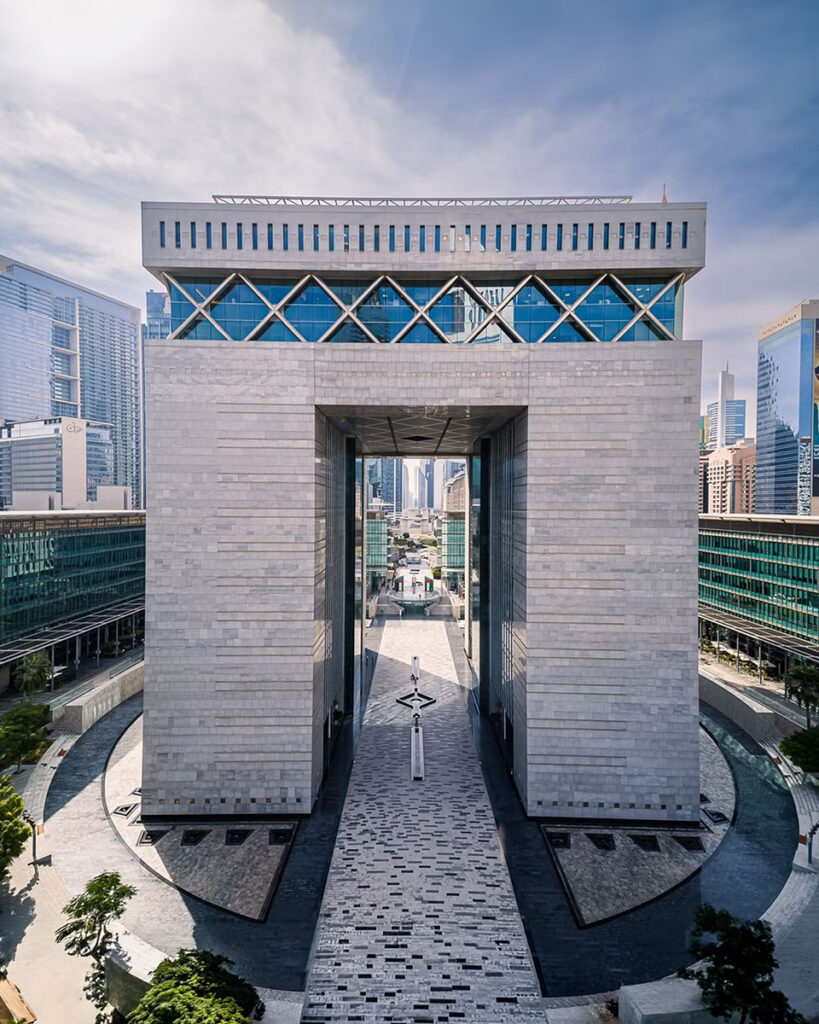
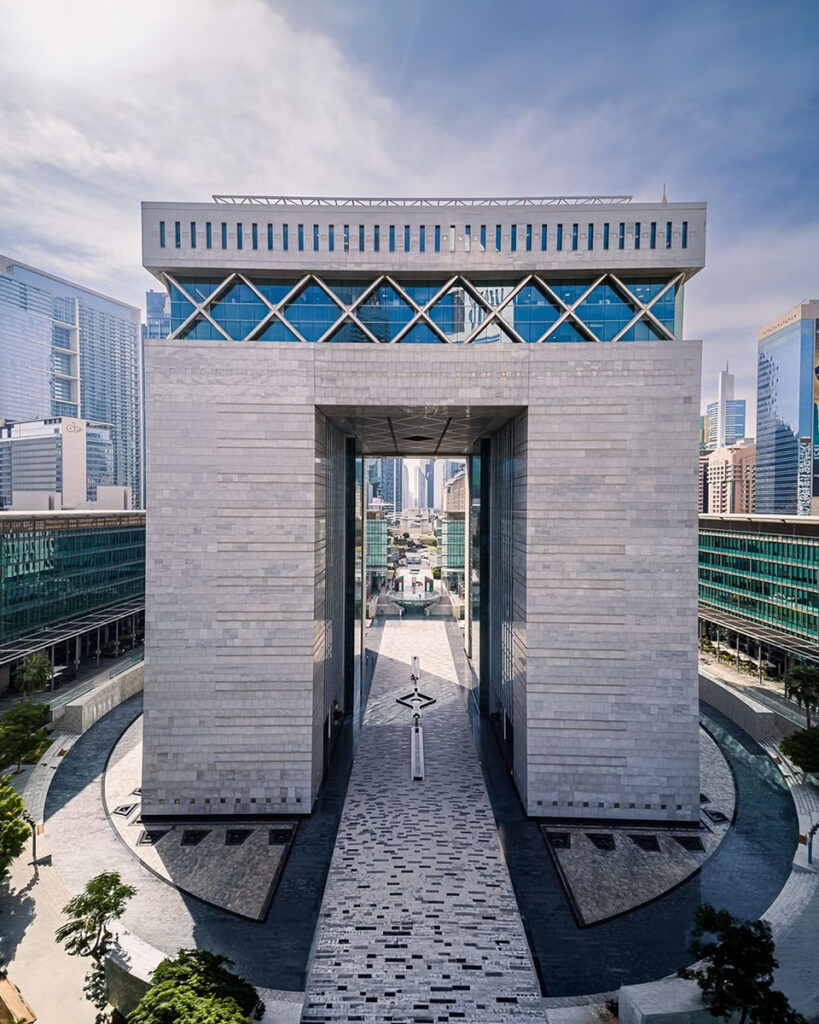
DIFC is Dubai’s flagship financial free zone and one of the leading financial centres in the Middle East, Africa, and South Asia (MEASA). It combines an independent legal system based on English common law, a robust regulator (DFSA) for financial services, and a growing ecosystem for non-financial and innovation-focused firms.
Key USPs
- Internationally recognised Common Law jurisdiction within Dubai.
- Home to banks, asset managers, fintechs, professional services firms and holding structures.
- Tailored regimes for financial and non-financial businesses, including Prescribed Companies and innovation structures.
Step-by-Step DIFC Setup Process
When managed correctly, mainland setup is straightforward and highly scalable.
-
1. Determine category: financial vs non financial
Financial firms must be authorised by DFSA.
-

2. Choose legal structure
Options include LTD Company, LLP, branch, Prescribed Company, or other specialised forms.
-

3. Prepare business plan & application
Detailed submissions, especially for regulated activities.
-

4. Initial approval & in principle approvals (for financial firms).
-

5. Incorporation & license issuance
Registration with DIFC Registrar, then DFSA license (where applicable).
-

6. Lease office in DIFC & complete onboarding.
-

7. Visa processing & banking
(usually with top tier regional and international banks).
Our team helps coordinate legal, regulatory, and commercial aspects with your advisors so the application is cohesive.
Step-by-Step DIFC Setup Process
When managed correctly, mainland setup is straightforward and highly scalable.
-
1. Determine category: financial vs non financial
Financial firms must be authorised by DFSA.
-
2. Choose legal structure
Options include LTD Company, LLP, branch, Prescribed Company, or other specialised forms.
-
3. Prepare business plan & application
Detailed submissions, especially for regulated activities.
-
4. Initial approval & in principle approvals (for financial firms).
-
5. Incorporation & license issuance
Registration with DIFC Registrar, then DFSA license (where applicable).
-
6. Lease office in DIFC & complete onboarding.
-
7. Visa processing & banking (usually with top tier regional and international banks).

Our team helps coordinate legal, regulatory, and commercial aspects with your advisors so the application is cohesive.
Company Types & Licensing
Company structures

Private Company Limited by Shares (LTD)

Branch of foreign company

Prescribed Company (holding/asset structuring)

Active Enterprise structures and others

Licensing categories

Financial services (investment, banking, asset management, insurance etc.) – licensed by DFSA.

Non-financial activities (consulting, HQ services, professional services, retail) – guided by DIFC business categories.
Benefits & Environment
Documents, Timelines & Costs
DIFC setups are more sophisticated than many standard free zones
- Detailed business plan , financial projections, and governance structure
- KYC documents of shareholders, directors and senior managers
- Regulatory submissions for financial services firms
Indicative Timelines
- Non-regulated entities: 2-4 weeks
- DFSA-regulated entities: 3-6 months
Both timelines are subject to complexity of structuring, robust documentation and internal approvals
Costs
- Starting from USD 1,500
DIFC is a premium jurisdiction: application, registration, license, and office fees are significantly higher than standard free zones, but aligned with its status as a top financial centre.
Who DIFC is Ideal For
-
Banks, asset managers, and financial institutions targeting MEASA markets
-
Fintechs and payment companies seeking a recognised regulatory umbrella
-
Family offices and holding structures needing a common-law framework
-
Premium professional services firms (legal, advisory, consulting)
FAQs
No. Non-financial firms follow DIFC’s non-financial business categories and are not regulated by DFSA.
For a new DIFC company (LTD), it is generally USD 1,000 (1 share of $1,000). There is no minimum share capital for establishing a branch company.
Yes, all DIFC entities must have a registered office address within the DIFC free zone, with options ranging from serviced desks to fitted offices.
DIFC companies can benefit from a 0% corporate tax rate on qualifying income, provided they meet the UAE’s Qualifying Free Zone Person rules.
Licenses are renewed annually, requiring compliance updates and payment of fees.
Yes, for regulated businesses. You must appoint a Money Laundering Reporting Officer (MLRO) and maintain strict KYC/AML policies.
We can help by:
- Preparing the regulatory DIFC business plan and application forms.
- Drafting the financial projections.
- Preparing policies and manuals related to Compliance and Anti Money Laundering.
- Helping you outsource the Financial Officer, Risk Officer, MLRO and Compliance officers.
- Assisting you locate office premises in DIFC.
- Securing the DIFC company registration numbers and regulatory licenses.
- Opening a multi-currency corporate bank account for your DIFC company;
Contact us today to explore how we can support your business setup in DIFC.
Pro Tips for DIFC Setup
- Engage us early to align legal structure, tax, and regulatory permissions with your global group.
- For financial services, expect detailed DFSA scrutiny; strong governance and compliance frameworks are non-negotiable.
- Consider a staged approach (e.g., non-financial entity or holding first, then regulated entity) if that suits your strategy.